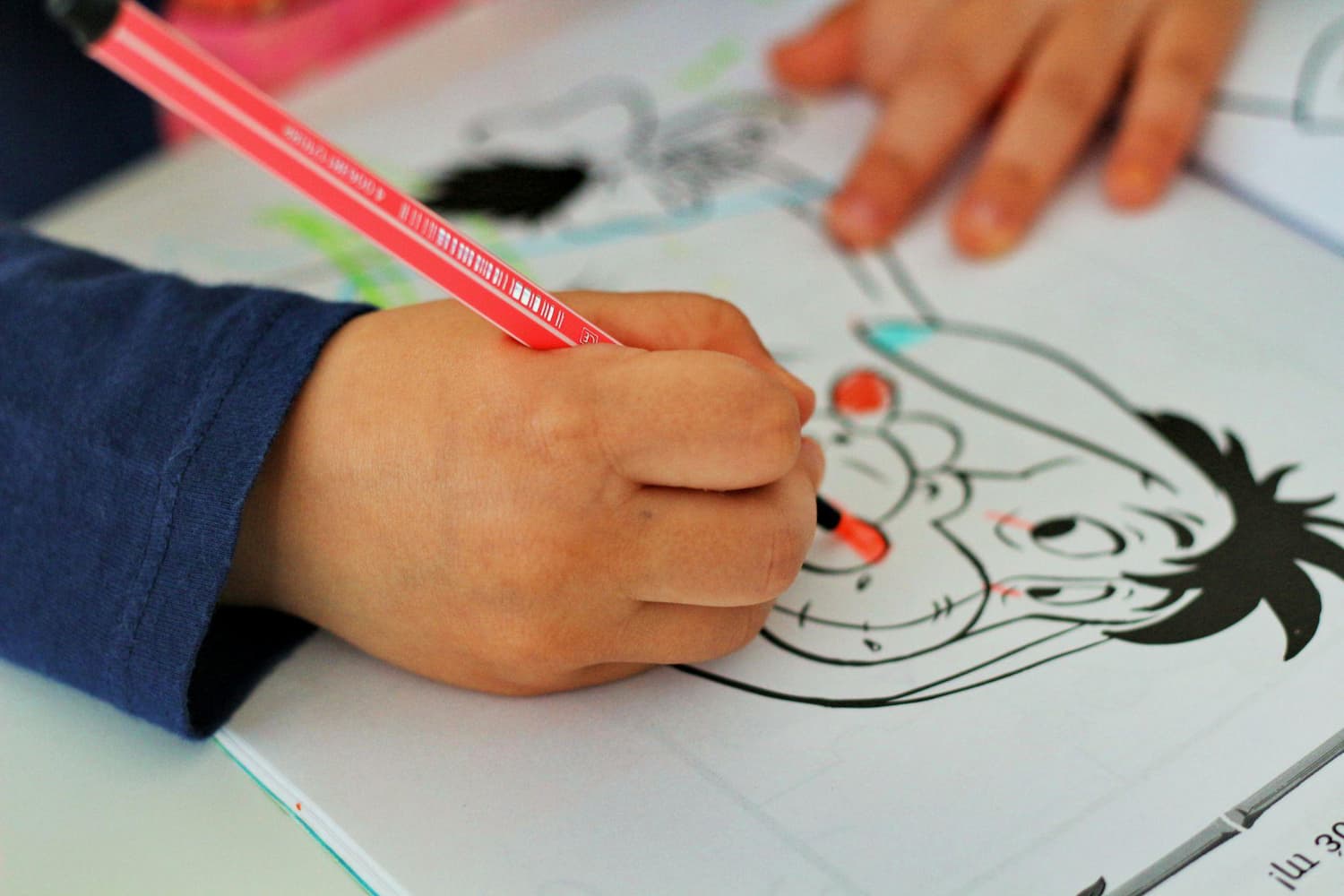
Children process visual storytelling differently than adults realise. Animation operates on wavelengths that bypass verbal reasoning entirely, hitting cognitive and emotional systems that are still forming. The impact isn’t just entertainment. It’s foundational.
The Visual Processing Advantage Nobody Talks About
Here’s what happens neurologically. Young children decode visual information months or even years before they master complex language structures. A three-year-old struggles with the word disappointment, but reads a character’s slumped shoulders instantly.
Animation exploits this processing gap deliberately. The exaggerated expressions, the colour psychology, the clear causality chains; It’s all engineered to communicate without requiring sophisticated vocabulary. When Bluey navigates sibling conflict or Inside Out literalizes emotional states as characters, kids aren’t passively watching. They’re building internal references for what feelings look like and how to name them.
This matters more than casual observation suggests. Children who develop emotional labelling skills early demonstrate measurably better social adaptation later. They’re acquiring emotional literacy through characters they’re invested in, which creates retention that direct instruction rarely achieves.
Making Abstract Concepts Actually Graspable
Try explaining courage to a five-year-old using only definitions. You’ll fail. But show them Moana confronting the ocean or Miguel defying family expectations for his passion? Abstract concepts suddenly have form, narrative, and consequence.
Animation excels at rendering invisible ideas visible. Friendship, perseverance, integrity, creativity, these aren’t just themes layered into children’s content. They’re demonstrated through action sequences and character development that kids can observe and internalise.
The mechanism works because it doesn’t feel like teaching. Children are just invested in whether the protagonist succeeds. But their cognitive systems are busy constructing mental models, building frameworks for how these concepts operate in actual situations.
When a child references a cartoon character while facing their own challenge, they’re not being cute; they’re being insightful. They’re applying internalised frameworks to real problems.
Creating Safe Distance for Processing Difficult Emotions
Real-world experiences overwhelm children easily. Loss, failure, rejection, existential fear, these hit differently when you’re small, and everything feels disproportionately large. Animation creates buffer zones where children can encounter complex emotions without direct threat.
When characters experience grief or confront frightening situations, kids engage with those feelings at a manageable distance. They can explore what sadness feels like, what helps, and what intensifies it, all while remaining physically safe. It’s an emotional rehearsal without real stakes.
This isn’t about sheltering children from reality. It’s about providing tools before crisis demands them. The child who watched characters work through anxiety has reference points when their own worry spirals. They’ve observed that feelings can be intense and still be survivable.
Why Impossible Worlds Build Better Thinkers
Animation does something that live-action fundamentally cannot. It makes the impossible routine. Animals speak, toys have inner lives, children fly, and magic functions predictably. And this impossible-made-normal space? It’s critical for imagination development.
Children need to believe systems are malleable. Those problems have creative solutions. That reality contains more possibilities than immediate observation reveals. Animation reinforces this cognitive flexibility constantly. When characters solve problems through lateral thinking rather than rule-following, kids internalise that problem-solving approach.
Consider how often animated protagonists succeed by thinking differently. By combining concepts in unexpected ways. By refusing to accept “this is just how things work.” That’s not just plotting. That’s modelling the flexible, innovative thinking that drives actual problem-solving later in development.
The Representation Impact That Compounds Over Time
Children notice who gets to be heroic. They notice which family structures match theirs. They notice who gets to be intelligent, humorous, brave, or central to the story. And animation has improved substantially at showing them diverse possibilities.
When children see characters who share their background, appearance, or family configuration portrayed positively, it shapes their sense of available futures. Representation in animation isn’t performative inclusion. It’s showing kids the full spectrum of human potential and experience.
But the inverse matters equally. When kids see characters different from themselves portrayed with complexity and humanity, it builds empathy before biases calcify. The child watching Encanto learns multi-generational family dynamics. The one watching Raya explores Southeast Asian cultural frameworks. They’re constructing more expansive views of humanity before narrow thinking has time to set in.
Animation doesn’t just occupy children’s attention. It builds emotional vocabulary, renders abstract concepts concrete, provides a safe processing space for difficult feelings, expands creative thinking capacity, and demonstrates who they might become. That’s not supplementary. That’s developmental infrastructure that compounds for decades.