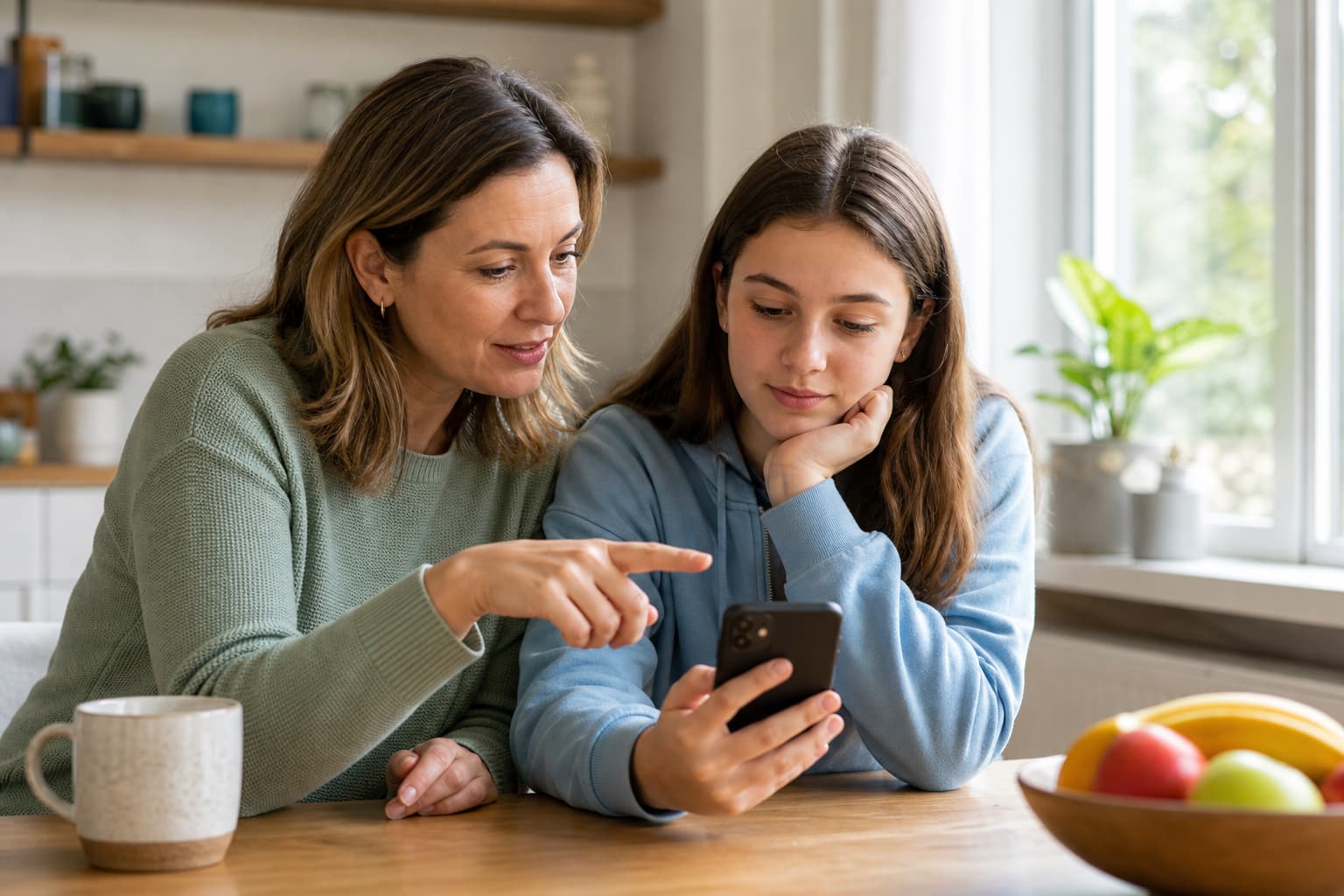
For many teenagers, Instagram is not just an app. It is where friends share jokes, creative projects, weekend photos, fandom edits, sports clips, and small pieces of identity. That makes follower changes feel personal. A new follower can feel like approval, while an unfollow can feel like rejection, even when the real reason is ordinary or unknowable.
Parents and educators do not need to dismiss those feelings to guide them well. A healthier approach starts by treating social media metrics as signals with limits. They may reveal a change in attention, but they do not measure friendship, talent, kindness, or future success.
Why Unfollows Can Feel So Big
Teens are still building emotional regulation and social confidence. At the same time, public numbers make social comparison easy. Follower counts, likes, views, and comments can become a scoreboard for belonging. When someone disappears from that audience, the teen may fill in the silence with a painful story: I did something wrong, they are angry, I am being left out.
The truth is usually less dramatic. People clean up their accounts, take breaks, change interests, lose access, or follow fewer accounts to reduce noise. Sometimes an unfollow is meaningful; often it is not. The skill teens need is not to stop caring altogether. It is to pause before turning a metric into a verdict.
Turn Follower Changes Into a Conversation
A calm conversation works better than a lecture. The goal is to help a teen name the feeling, separate facts from assumptions, and choose a response that will still feel wise tomorrow.
Scenario: A friend unfollowed me
Try asking: What do you know for sure, and what are you guessing? This question gently slows the spiral. If the friendship matters, the next step might be a normal offline conversation, not a public post, a vague story, or immediate retaliation.
Scenario: My post did badly
Try asking: Did you share it because it mattered to you, or because you needed a number? This helps separate creative expression from performance pressure. Teens who draw, animate, dance, play music, or make edits need room to enjoy the process, not only the reaction.
Scenario: I need to know who left
Try asking: What would you do with that information? If the answer is to understand audience changes for a public creative account, that can be reasonable. If the answer is to confront someone while upset, it may be better to wait.
When Checking Unfollowers Can Be Reasonable
For older teens, young creators, or family-managed entertainment accounts, an Instagram unfollowers tracker such as WhoDipped can fit into a broader privacy-aware routine when the goal is to check who unfollowed you without turning every follower change into a social emergency.
The important word is routine. Checking should have a purpose and a boundary. A teen who is building an animation portfolio, running a small fan page, or helping promote a school performance may want to understand whether content is reaching the right audience. That is different from refreshing repeatedly after every post.
A Healthier Family Framework
Families can make Instagram less stressful by agreeing on habits before emotions run high. The best rules are simple enough to remember and flexible enough to respect a teen’s growing independence.
- Pause before reacting to an unfollow, especially late at night or during school.
- Keep private friendships separate from public performance metrics.
- Avoid posting indirect messages aimed at one person.
- Do not share passwords with friends or third-party services that do not feel trustworthy.
- Review privacy settings after major life changes, school transitions, or public creative projects.
- Take screenshots only when safety is involved, not to fuel gossip.
Privacy Habits Matter More Than the Number
The healthiest social media lesson is not that numbers never matter. It is that numbers should never be the only source of truth. A teen can learn to notice patterns while still protecting their peace. They can ask why a post mattered, who it was meant for, and whether the response changed its value.
Privacy habits are part of that maturity. Teens should understand the difference between a public account and a private one, between a follower and a friend, and between curiosity and surveillance. Parents can help by modeling the same behavior: fewer dramatic conclusions, more direct conversations, and less checking when emotions are already high.
For Teens With Creative or Public Accounts
Some teens use Instagram in a more intentional way. They may post animation clips, art reels, cosplay photos, music, sports highlights, or short comedy videos. In those cases, audience changes can teach useful lessons. A drop in followers after off-topic posts may show that the audience expects a clearer theme. A stronger response to behind-the-scenes content may show that people enjoy process, not just final results.
Even then, the goal is learning rather than chasing approval. A creative teen should be encouraged to ask better questions: What did I enjoy making? What helped people understand it? What would I improve next time? Those questions build confidence and skill in a way that raw follower counts cannot.
Final Thought
Unfollowers can sting, but they do not have to define a teen’s day. With the right conversations, Instagram can become a place to practice judgment, privacy, creativity, and resilience. The healthiest lesson is simple: pay attention to signals, but do not let a signal become your self-worth.